Followers Won't Book You a Job: The Real Difference Between Being Seen and Being Trusted

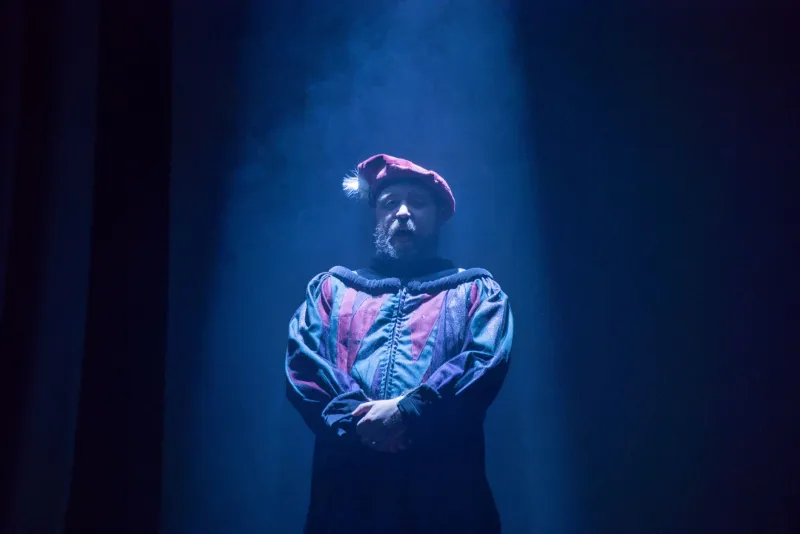
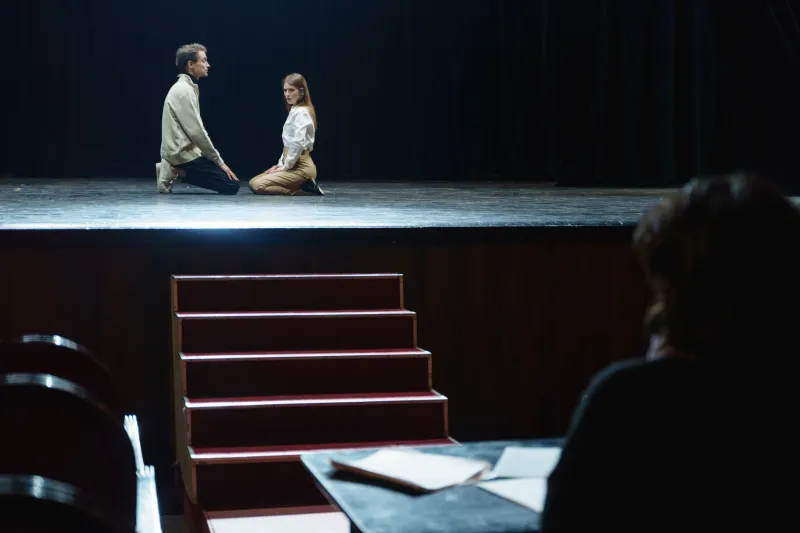
Photo: OmarRiera, CC0, via Wikimedia Commons
Let's be honest about something the industry doesn't say out loud enough: going viral and building a career are not the same thing. They can overlap, sure. But more often than not, they're operating on completely different tracks — and confusing the two can quietly stall everything you're working toward.
I've watched incredibly talented people chase visibility like it was the destination. More posts, more reels, more presence. And I've watched them burn out wondering why the phone still wasn't ringing. Meanwhile, I've seen actors with modest online footprints get called in consistently because the right three or four people in the room knew them. Not knew of them. Knew them.
That distinction is everything.
Visibility Is the Surface. Reputation Is the Foundation.
When someone sees your face — on a feed, in a room, at an industry event — that's visibility. It's a first impression. It opens a door, maybe. But visibility without substance is just noise. The entertainment industry runs on a surprisingly small network of decision-makers, and those people talk to each other constantly. What they're trading isn't follower counts. It's opinions.
"She was a nightmare on set." "He came in so prepared it made everyone else raise their game." "She's the kind of actor who makes the whole room better." That's the currency that books jobs, gets referrals, and builds a career that compounds over time.
Reputation is what people say about you when you're not in the room. And you build it one interaction at a time — not one post at a time.
The Trap of Optimizing for the Algorithm
Social media platforms are designed to reward frequency and engagement. That's fine for building an audience. But the habits those platforms reward — constant output, broad appeal, performance for strangers — can work directly against what makes you compelling as an actor.
Acting is specific. It's intimate. It asks you to go narrow and deep, not wide and shallow. When you spend too much of your creative energy optimizing for the algorithm, you can start unconsciously doing the same thing in the room — playing to the back row instead of finding the truth in the scene.
I'm not saying get off social media. I'm saying know what it's for. It's a tool for awareness, not a substitute for doing the actual work of building real professional relationships.
What Casting Directors Actually Remember
I've had enough conversations with casting directors over the years to know what sticks with them. It's rarely the actor who had the most polished reel. It's the one who made an unexpected choice that was completely right for the character. The one who came in with genuine curiosity about the material. The one who, when the callback didn't happen, sent a gracious note anyway.
These are small moments. But they're the ones that get mentioned when your name comes up six months later for something else entirely.
That's how reputation actually works — it's cumulative, and it travels. A casting director you impressed in a small regional theater production might be working at a major network five years from now. The producer whose short film you did for almost nothing might be developing something significant. The industry is longer than any single project, and people remember how you made them feel more than they remember your credits.
Practical Ways to Build the Kind of Reputation That Travels
Show up prepared, every time. This sounds obvious. It isn't always practiced. Being the most prepared person in the room is a reputation that spreads faster than you'd think.
Be easy to work with — without being a pushover. There's a difference between being collaborative and being a yes-machine. People trust actors who have a point of view and can articulate it professionally. That's not difficult to work with. That's valuable.
Follow through on what you say you'll do. In an industry where flakiness is practically a cliché, being someone who does what they say is genuinely rare. It gets noticed.
Invest in relationships before you need them. Don't reach out to someone only when you want something. Engage with other people's work. Show up to their openings, their screenings, their showcases. Be a real person in their professional life, not just a LinkedIn connection.
Handle rejection with class. How you respond when things don't go your way is one of the loudest signals you send about who you are. The actors who handle a "no" gracefully are the ones who get considered first when something new comes up.
Visibility Has Its Place — Just Know What That Place Is
None of this means you should ignore your online presence or turn down opportunities to get in front of new audiences. Visibility can absolutely serve your career — especially early on, when you're still building name recognition. It can open doors that might otherwise stay closed.
But think of it like this: visibility gets you in the room. Reputation keeps you there.
The actors who sustain long, meaningful careers aren't necessarily the ones with the biggest platforms. They're the ones who made the people around them glad they were in the room. That's the thing worth building. And unlike a follower count, nobody can take it from you.