The Doubt That Keeps You Honest: Rethinking Impostor Syndrome as a Creative Tool

Everybody talks about impostor syndrome like it's a disease. Like the goal is to cure it, outrun it, or at least fake confidence until it stops showing up at rehearsal. And yeah, I get it — chronic self-doubt that freezes you in place is genuinely destructive. That's not what I'm talking about here.
What I'm talking about is the other kind. The doubt that pokes you right before you step into something new. The quiet voice that says are you sure you can pull this off? That version? I've started to think of it less as an enemy and more as a weird, uncomfortable compass.
When the Doubt First Hit Hard
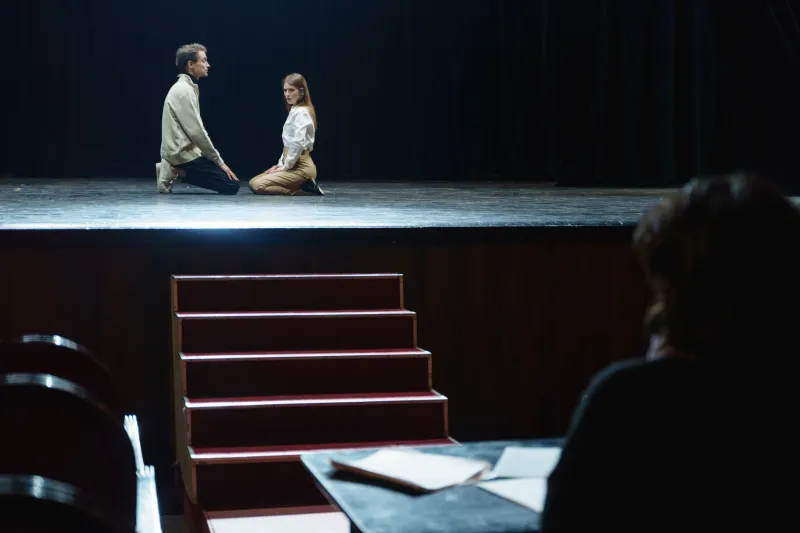
I remember landing a role that was a real stretch — the kind of part where you read the sides and think, okay, I want this badly, and I have absolutely no idea if I'm the right person for it. Most of my preparation up to that point had been built on instincts I trusted. This one cracked that open. I spent the first week of rehearsal quietly convinced someone was going to walk in and politely ask me to leave.
But something interesting happened in that discomfort. Because I didn't feel secure, I prepared differently. I wasn't coasting on what had worked before. I was genuinely curious — almost desperate — to figure out how to inhabit this person honestly. The doubt forced me to go deeper than I would have if I'd walked in feeling like I had it figured out.
That performance ended up being one of the ones I'm most proud of. And I don't think that's a coincidence.
The Difference Between Productive Discomfort and Paralysis
Here's the distinction I've landed on after years of sitting with this: paralyzing impostor syndrome tells you that you don't belong and never will. It's rooted in a fixed story about your identity. It makes you small and keeps you there.
Productive doubt, on the other hand, is situational. It shows up specifically when you're attempting something bigger than your last thing. It's not saying you're a fraud. It's saying you haven't done this exact thing before, so pay attention.
One is a verdict. The other is a weather report.
The actors I've watched stagnate over the years — and I mean genuinely plateau in ways that seemed to surprise them — were often the ones who stopped feeling that second kind of doubt. They got comfortable. Comfortable is fine for a vacation. It's not great for creative growth.
Doubt as Quality Control
There's another function this discomfort serves that doesn't get talked about enough: it keeps your work honest.
When I'm too confident going into a project, I've noticed I'm also less likely to question my choices. I'll lock in on an interpretation early and defend it even when the material is pushing back. Certainty can make you rigid in ways that kill the spontaneity that makes live performance — or a really good take on camera — actually breathe.
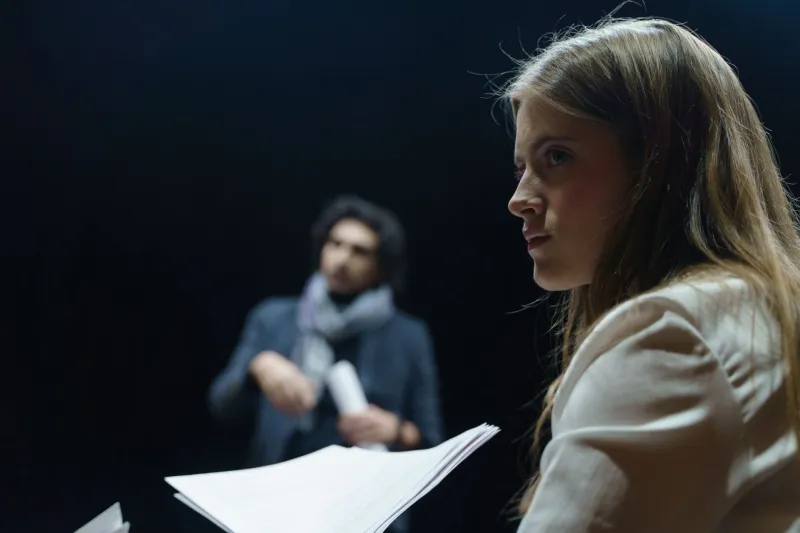
But when I'm uncertain? I stay open longer. I ask more questions. I listen better to my scene partners because I'm not already sold on what I think the scene is. That receptiveness shows up in the work in ways an audience can feel, even if they can't articulate why.
Self-doubt, in those moments, functions like a quality control mechanism. It's the part of your brain that hasn't been convinced yet — and that skepticism, channeled right, keeps you from phoning it in.
The Trap You Still Have to Avoid
I want to be clear: none of this is an argument for wallowing. There's a version of this conversation that becomes an excuse to overthink everything and never commit. That's its own trap, and it's a real one.
The move isn't to let the doubt drive. It's to let it ride shotgun. You still have to make choices. You still have to commit to the scene, the character, the take. You just do it while holding a little space for the possibility that you might be wrong — and staying curious about what happens next.
The actors I most admire operate in this zone. They carry confidence and humility at the same time. They trust their preparation while remaining genuinely open to surprise. That's not a contradiction. That's craft.
What I'd Tell Myself Earlier
If I could go back and say one thing to the version of me who thought the goal was to eliminate all doubt before walking into a room, it would be this: the doubt isn't a sign that you're not ready. It's often a sign that you care enough to do it right.
The day you stop feeling it entirely might actually be the day to worry.
So yeah — sit with the discomfort. Don't let it make your decisions for you. But don't try to silence it either. It's been one of the more honest voices in the room.