Stop Competing for One Seat — Build a Whole Table Instead

There's a version of the acting career that gets told over and over in this industry — the scrappy solo artist clawing their way up, outworking everyone, outlasting the rejection, finally earning their seat at the table through sheer individual will. It's a compelling story. It's also, in my experience, only half true and kind of exhausting as a guiding philosophy.
The other version — the one that doesn't get romanticized nearly as much — is the one where a handful of people who genuinely believe in each other decide to stop waiting for permission and start building the thing themselves. Together.
I've seen both approaches up close. And I'll take the second one every time.
The Mythology of the Lone Hustle
Look, individual drive matters. I'm not here to tell you that showing up and putting in the work is optional. But the entertainment industry has a way of framing success as a zero-sum competition — like there's one spot available and everyone else is your opponent. You see it in the way actors talk about auditions, in the way emerging filmmakers guard their ideas, in the general scarcity mindset that permeates a lot of creative communities.
The problem with that framing is that it's just not accurate, and it actively works against the kind of creative life most of us actually want to build.
Some of the most celebrated creative work in American entertainment has come from ensembles and collectives — groups of artists who built something together because the traditional system wasn't moving fast enough or wasn't interested in what they had to say. Think about the way the Upright Citizens Brigade shaped a generation of comedy. Think about the independent film movements that came out of people pooling resources and shooting on weekends. Think about the theater companies that became pipelines for serious dramatic work precisely because they weren't waiting for a producer to greenlight them.
The pattern repeats because it works.
What an Intentional Creative Ensemble Actually Looks Like
I want to make a distinction here, because "find collaborators" is advice that gets thrown around a lot without much practical shape to it.
An intentional creative ensemble isn't just a group of friends who hang out and talk about projects. It's a group of people with complementary skills, aligned values, and a genuine commitment to making each other's work better. The intentional part matters. You're not just collecting contacts — you're building a creative infrastructure.
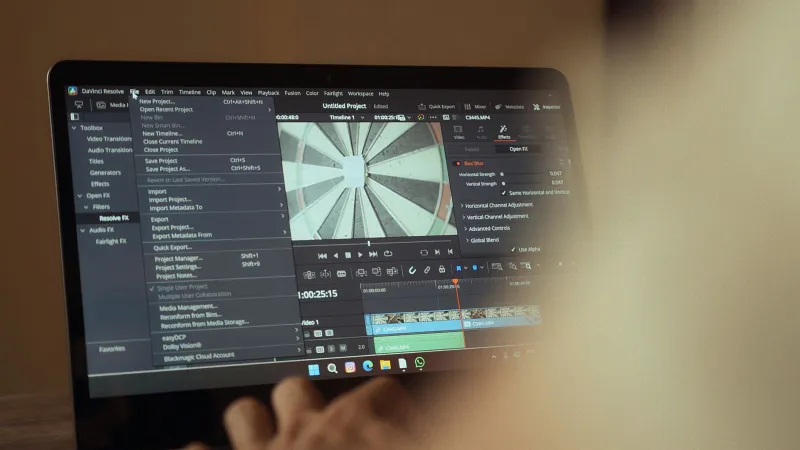
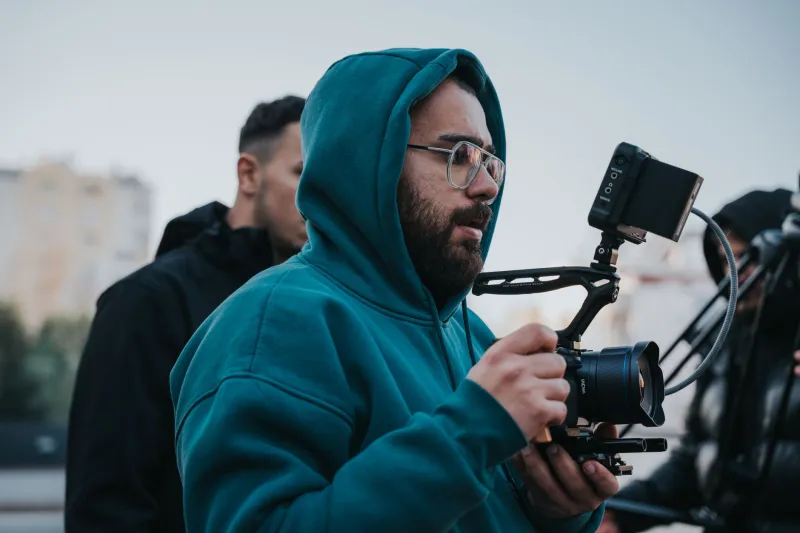
In practical terms, that might look like a writer-director-actor triangle where each person brings something the others don't have. It might look like a small production collective that shares equipment, locations, and crew across multiple projects. It might look like a group of performers who develop original material together and find their own venues to present it, rather than waiting for a theater to program them.
The form is less important than the foundation: mutual investment in each other's growth, honest creative feedback, and a shared commitment to actually finishing things.
How to Find Your People (Without Being Weird About It)
The most common question I get when I talk about this stuff is some version of: "Okay, but how do I actually find the right collaborators?" And I think the answer is more straightforward than people expect.
Start with shared taste, not shared ambition. Ambition is everywhere. What's rarer is finding someone who gets excited about the same kinds of stories, the same tonal register, the same aesthetic sensibility. When you meet someone whose creative instincts align with yours, that's the beginning of a real conversation.
Pay attention to how people work, not just what they've made. A collaborator's output matters, but their process matters more. Are they someone who shows up prepared? Do they take feedback without turning it into a whole thing? Do they follow through on what they say they're going to do? The talent can develop. The work ethic and the character are harder to change.
Make small things together before you commit to big things. Before you co-write a feature or launch a production company with someone, make a short. Do a table read. Develop a scene. See how you actually function in the creative trenches together, because that's where you'll learn more than any coffee meeting ever tells you.
Be useful first. The best creative relationships I've built started with me genuinely trying to be helpful to someone else's project — not transactionally, not with an agenda, just because I believed in what they were doing. That kind of investment tends to come back around in ways you can't predict or engineer.
The Abundance Reframe
Here's what I keep coming back to when I think about why ensemble-based creative work is worth pursuing beyond just the practical benefits: it fundamentally changes your relationship to the industry's gatekeeping.
When you're hustling alone, every closed door is a direct verdict on you. When you're building with a group of people you trust, a closed door is just a detour. You have something to return to. You have a creative home base that doesn't depend on anyone else's approval to function.
That's not a small thing. In an industry that runs on rejection and uncertainty, having a creative community that's genuinely yours — that you helped build, that's invested in your growth, that makes work you're proud of — is one of the most stabilizing forces I know of.
The table metaphor gets used a lot in conversations about access and representation, and for good reason. But I think there's something to it here too. You can spend your whole career trying to earn a seat at someone else's table. Or you can get a few people together and build one.
I know which one I'd rather be doing.