They're Not Just Watching You Act — They're Watching How You Treat the Room
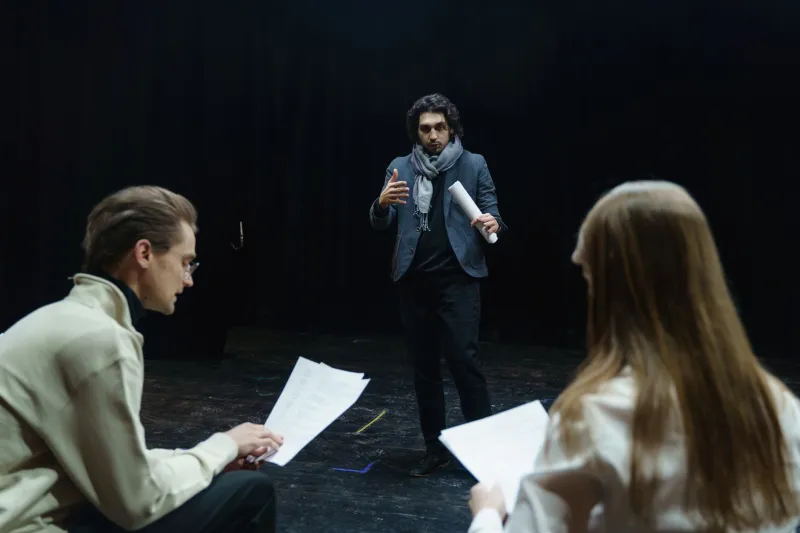
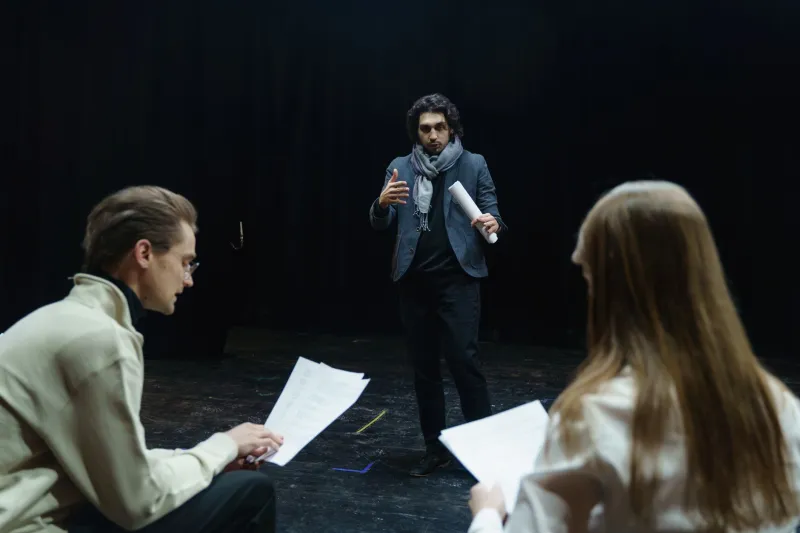
Somebody told me early in my career that the audition ends when you walk out the door. That's half true. What I've come to understand — after enough callbacks, enough ensemble table reads, enough sessions where I've been on both sides of the casting process — is that the audition also begins the moment you walk in. Not when you open your mouth. When you enter the space and start interacting with every single person in it.
That shift matters more than most agents will ever tell you.
What Directors Are Actually Looking For Now
Here's something that doesn't get talked about enough in acting classes or industry panels: the landscape of what casting directors and directors are evaluating has genuinely changed. Yes, your craft still has to be there. Yes, you need to know your material. But for ensemble-driven projects — which, let's be honest, is most of what's being made right now — the question directors are quietly asking is: will this person make the whole thing better, or just their own scenes?
I've heard this framed a dozen different ways. One director I worked with described it as looking for actors who "add oxygen to the room." A producer on a project I was attached to put it more bluntly — she said she'd take a B-plus performer who made everyone around them an A over an A-plus performer who subtly deflated the energy every time they opened a note. That's not a small thing. That's a hiring philosophy.
The craft of elevating your scene partner, of listening so actively that the other actor in the room literally performs better because of your presence — that's a skill. And it's one that directors are increasingly treating as non-negotiable.
Active Listening Is a Technique, Not a Personality Trait
One of the biggest misconceptions I see in younger actors is treating listening as something passive. Like, you do your thing, then you wait for them to finish, then you do your thing again. That's not listening. That's just taking turns talking.
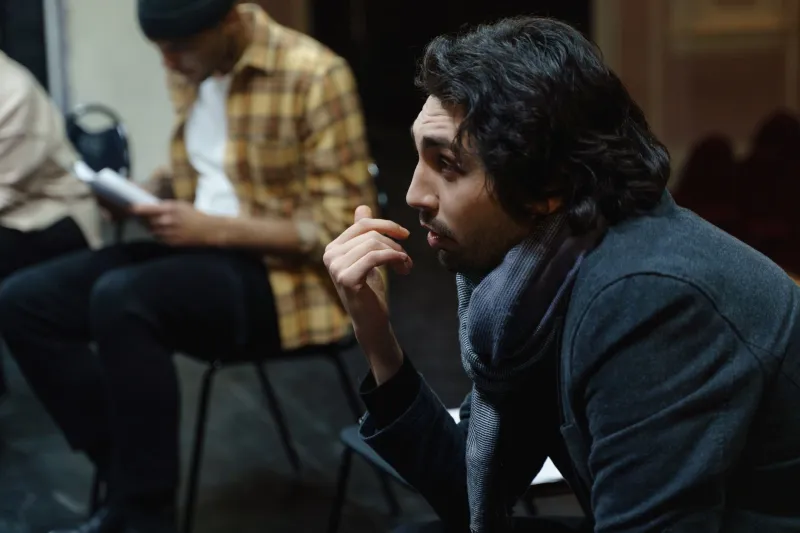
Real active listening in a scene means letting what the other person does actually change what you do. It means your response isn't predetermined. It means you're tracking them — their energy, their hesitation, the breath they take before a line — and you're genuinely affected by it. When that's happening in an audition room, people feel it. Casting directors feel it. The reader feels it. Even the assistant in the corner feels it.
And here's the thing: when you make the reader — who has probably done this scene forty times today — feel something real, that's a signal. That's a director thinking, imagine what this person does with an actual trained actor across from them.
So practice listening the way you practice your lines. Actively. Intentionally. Make it a technique, not an afterthought.
The "Easiest Person on Set" Advantage
There's a phrase that floats around production circles that agents almost never bring up with their clients: being "the easiest person on set." It sounds like a backhanded compliment, right? Like you're praising someone for being low-maintenance rather than talented. But that's not what it means.
Being the easiest person on set means you solve problems instead of creating them. It means when a scene isn't working, you're offering ideas rather than defending your choices. It means you're collaborative in notes sessions, you're generous in coverage, and you genuinely want the project to land — not just your performance within it. That orientation, that posture toward the work, is something experienced directors can detect in an audition. Sometimes in the first five minutes.
I've been in rooms where an actor came in technically prepared, hit every beat, and still didn't get the part. And I've seen actors come in a little rough on the material but so present, so genuinely engaged with the process, that the director wanted to keep working with them. The second actor got the callback. Sometimes they got the role.
Being easy to work with isn't about being a pushover. It's about being someone who makes the creative environment better by being in it.
How to Actually Demonstrate This in an Audition
Okay, so how do you show collaborative instincts in a setting that's inherently solo? A few things I've found actually work:
Treat the reader like a scene partner, not a prop. I know it's tempting to stay in your own head and just use the reader as a cue machine. Don't. Make real eye contact. Respond to what they actually give you, even if it's minimal. The director is watching how you relate to another human being, not just how you deliver lines.
Ask one smart question before you start. Not to buy time, not to seem engaged — but genuinely, if there's something about the character's intention or the scene's context that would help you serve the material better, ask it. Directors notice when an actor is thinking about the story, not just the performance.
Take the adjustment and make it yours. Almost every audition involves a redirect. When it comes, don't just mechanically shift. Actually incorporate the note and let it change something real in your approach. This tells the director you can be directed. That you're not precious. That the collaboration will be productive.
Be warm in the room before the scene starts. Introduce yourself. Make eye contact with the people in the room. Be a human being before you're a performer. This sounds stupidly simple, but it sets a tone. It signals that you know how to be present with other people — which is, at the end of the day, what acting actually is.
Why This Matters More Than Ever
We're in a moment where prestige ensemble work — whether it's a limited series, an indie film with a tight budget, or a theater production where everyone's living out of the same green room — demands actors who can co-create, not just co-exist. The lone-wolf performer who shows up, does their thing, and disappears is a harder sell than it used to be.
Directors want to build something. They want a room full of people who are all pulling in the same direction, who trust each other, who make each other better. Your job in the audition isn't just to prove you can act. It's to prove you can be part of that.
So the next time you're prepping for a callback, spend some time thinking beyond your own performance. Think about the scene. Think about the other characters. Think about what the story needs from you — not what your monologue needs from the story.
Because they're watching all of it. Every bit of it. And the actor who understands that is already a step ahead before the first line is even read.